Running an industrial facility requires a strong focus on both efficiency and safety. These two factors often go hand in hand. When a workplace is safe, it usually becomes more productive as well. Workers feel more confident, and processes move smoothly.
Companies that take the time to improve their operations see better results, fewer accidents, and less downtime. Here are five proven tips that many industries use to boost their efficiency while making sure their employees and environments remain safe.
Focus on Staff Training and Awareness
One of the most important ways to improve efficiency and safety is by training the workers regularly. When employees understand how to use machines properly, follow safety rules, and react during emergencies, they perform better.
Good training sessions also help workers become more aware of the risks around them. They learn how to avoid mistakes and report possible dangers before something bad happens. Companies should make sure their staff gets updated training and safety instructions.
Regular Cleanroom Testing for Contamination Control
In industries like pharmaceuticals, electronics, and medical devices, cleanroom testing plays a key role in both efficiency and safety. Cleanrooms are special controlled spaces where even a small amount of dust or germs can ruin the product.
Regular testing of these areas ensures they remain clean and safe for production. Testing checks for air quality, particle levels, and pressure control. When a company maintains strict control over its cleanroom environment, it avoids costly mistakes and product losses.
Proper Industrial Plant Maintenance for Smooth Operations
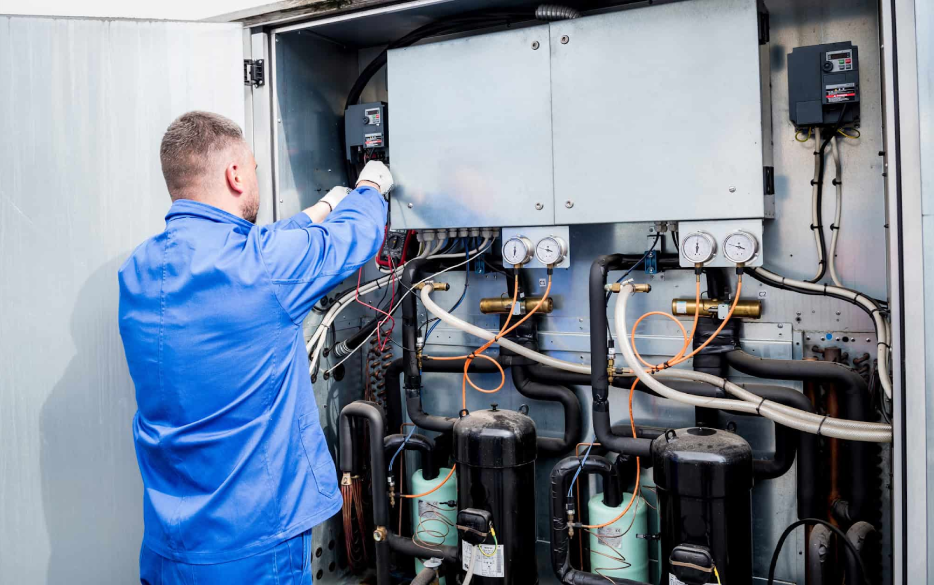
Another important tip is proper industrial plant maintenance. Machines and equipment need regular care to keep running smoothly. If a company ignores maintenance, it faces sudden breakdowns, production delays, and safety hazards.
A good maintenance plan includes checking machines, fixing small problems before they grow, and replacing worn-out parts on time. When a company follows a regular maintenance schedule, it keeps its operations efficient and avoids unexpected failures.
Use of Updated Technology and Smart Systems
Industries that use modern technology often work faster and safer than those that rely on old methods. Smart systems, sensors, and automated controls help reduce human error. They make it easier to monitor machines, track performance, and detect issues early.
For example, automated safety alarms can alert workers before a problem becomes dangerous. Using updated tools also helps industries complete tasks quicker and with fewer mistakes. Technology does not replace workers, but it helps them perform better and safer.
Strong Safety Culture and Leadership
The way a company leads its safety efforts also matters a lot. A strong safety culture means that everyone, from the top managers to the newest workers, cares about working safely. Good leaders show by example and encourage their teams to always follow safety rules.
They listen to workers’ concerns and reward safe behavior. When safety becomes part of the company’s daily habits, it naturally boosts efficiency. Workers take fewer risks, accidents happen less often, and time is not wasted dealing with problems that could have been avoided.
Conclusion
Improving efficiency and safety in industrial operations is not about making big changes all at once. It is about taking steady, proven steps that protect workers, keep machines running well, and prevent problems before they grow.
Staff training, cleanroom testing, proper plant maintenance, smart use of technology, and a strong safety culture all work together to create a safer and more efficient workplace. Companies that follow these tips will likely see better results, happier employees, and fewer costly accidents.

